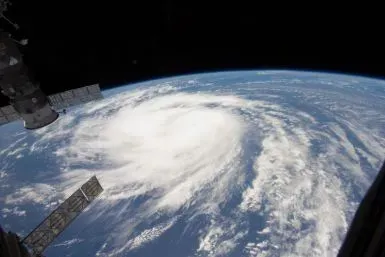
Tropical Storm Lee will pound the Gulf Coast today and into the weekend, putting levees in New Orleans that breached during Katrina at risk before eventually spreading heaving rains and flooding risks from the coastal region up through the Appalachians. One forecaster said Lee could become a billion dollar coastal disaster for the U.S. coastal region.
David Magee
Sep 03, 2011
Workers active at 169 production platforms and 16 drilling rigs have been evacuated till now and the shutting-in procedures have been activated at all the production platforms.
Shailesh Shrivastava
Sep 03, 2011
The U.S. is on high tropical cyclone alert, as Tropical Storm Lee strengthens and is forecast to inundate the Gulf Coast including New Orleans with possible severe flash flooding and Hurricane Katia forces U.S. East Coast residents to keep a keen on that storm's strengthening and path.
David Magee
Sep 02, 2011
Tropical Storm Lee threatened the Louisiana coast with torrential rains and flooding on Friday, as offshore energy platforms and refineries along the coast braced for high winds and rising waters.
IBT Staff Reporter
Sep 02, 2011
Louisiana has declared a state of emergency and Alabama, Florida, Mississippi are warned to be on alert as the tropical depression that's likely to become Tropical Storm Lee or Hurricane Lee poses a significant threat to the U.S. Gulf Coast region. Heavy rains and flooding are forecast.
David Magee
Sep 02, 2011
This year's Atlantic hurricane season has been jam-packed, with 12 named storms in three months -- the total number of named storms seen in a normal six-month season. Why is 2011 proving more active than 2009 or 2010?
IBT Staff Reporter
Sep 02, 2011
Katia weakened slightly to a tropical storm, but could still head towards the U.S. coast as a major hurricane. Meanwhile, Tropical Storm Lee is expected to hit the Louisiana Gulf Coast this weekend.
Mark Johanson
Sep 02, 2011
From flooding to drought to tornadoes, 2011 is already on the books as an unprecedented, record-shattering year for weather in the United States.
Jeremy White
Sep 02, 2011
Tropical Depression 13, which continued to move toward the Gulf Coast on Friday, has winds up to 35 miles per hour, but the region can't rest easy. The storm may not be packing hurricane-force winds when it hits New Orleans, but it could drench the city with up to 20 inches of rain and cause severe flooding.
IBT Staff Reporter
Sep 02, 2011
Tropical Katia is not expected to strengthen much on Friday, as wind shear clips the system, but forecasters say the storm will likely regain hurricane strength and perhaps cut a path toward the U.S. coast by the middle of next week. At 8 a.m. Friday, Katia was in the Atlantic, 700 miles east of the Leeward Islands. The storm is moving northwest at 15 miles per hour with sustained winds of 70 miles per hour, just below hurricane strength.
David Magee
Sep 02, 2011
Tropical Depression 13 poses a high threat level to the U.S. Gulf Coast region, including potential flooding risks in New Orleans which was devastated by high waters from Hurricane Katrina in 2005. Louisiana Gov. Bobby Jindal has issued a state of emergency in advance of the storm, likely to intensify to tropical storm status with drenching rainfall.
David Magee
Sep 02, 2011
Whether Hurricane Katia will have any impact on the United States is still uncertain, but forecasters are keeping a watchful eye on a new tropical threat in the Gulf of Mexico.
Laura Matthews
Sep 01, 2011
It is a mistake to focus just on a hurricane's wind speed. Of the most catastrophic hurricanes in United States history, the majority were so devastating because of the flooding caused by a combination of heavy rainfall and storm surges, not because of the winds themselves.
IBT Staff Reporter
Sep 01, 2011
29-year old cyclist was killed after swerving out of the way of construction debris
Ellen Killoran
Sep 01, 2011
As the chances of a low-pressure system in the Gulf of Mexico turning into a tropical depression in next two days increase and reach around 70 percent, major oil and natural gas companies functioning in the U.S-regulated areas of the Gulf of Mexico have stopped their operations and started evacuating their employees.
Shailesh Shrivastava
Sep 01, 2011
Texas has prayed for rain during months-long drought that has escalated in recent weeks with severe heat but the Lonestar state probably didn't want a hurricane to solve the dilemma. Forecasters say, however, that the next hurricane serious hurricane threat to the U.S. may not be Hurricane Katia. A new low-pressure system has developed in the Gulf of Mexico that the National Hurricane Center says is likely to become a tropical cyclone in the next two days before possibly threatening the U.S.,...
David Magee
Sep 01, 2011
One person's savior is another's curse. That's one thing we've learned through history and experience, since good news in one way often means bad news in another -- the balanced scale of life and nature that's often so conflicting and confusing, if not damaging. Such is the case with a developing storm in the Gulf of Mexico, likely to become a tropical cyclone, and eventually a tropical storm and hurricane that will threaten a direct hit on Texas.
David Magee
Sep 01, 2011
Labor Day travel is expected to decrease in the wake of Hurricane Irene and an uncertain economy.
IBT Staff Reporter
Sep 01, 2011
Tropical Storm Katia is now a Category 1 hurricane, but its impact on the United States, if any, remained unclear as it continued to strengthen on Thursday.
IBT Staff Reporter
Sep 01, 2011
A low pressure located in the central Gulf of Mexico could strengthen into a tropical storm or depression in the next 24 hours as Hurricane Katia churns in the Atlantic.
Mark Johanson
Sep 01, 2011
Now that Hurricane season is in full force, with Irene making the first strike on the U.S. since Ike in 2008 and Hurricane Katia warming up in the Atlantic late this week, it's time to take a crash course. Here are five things to know about a hurricane.
David Magee
Sep 01, 2011
Hurricane Katia is likely to become a major storm this weekend, and an eventual threat to the U.S. has not been ruled out. The National Hurricane Center said Thursday Katia, now about 1,000 miles east of St. Lucia in the Carribbean, is on a projected path to be well east of the Bahamas and south of Bermuda by Sept. 6. Katia has winds near 75 miles per hour, and the storm is moving west at 20 miles per hour.
David Magee
Sep 01, 2011