The U.S. Is Reportedly Looking At Increased Military Support In The Region Over Potential Action Related To Cuba
An internal Army message is discussing the provision of police forces, medical personnel and more to the Southern Command.

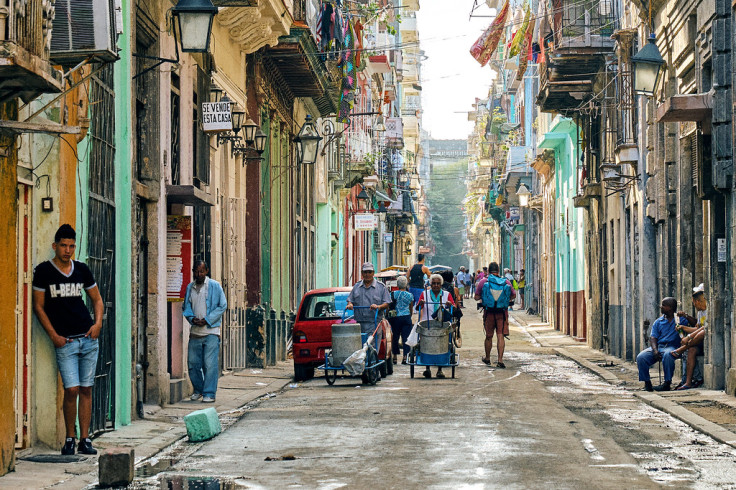
The U.S. Army Reserve is examining whether it can provide support to the Southern Command within the next four months as military action related to Cuba continues to be a possibility, according to a new report.
An internal Army message discusses the potential provision of police forces, medical personnel and more, CBS News detailed.
The message does not make a specific reference to Cuba, but officials told the outlet that the request is related to continued military planning related to the country. There is no indication that the units were ordered to deploy but the document says the units would "possibly (be) needed in 90-120 days."
A July report had already detailed that U.S. officials were evaluating different options for possible military action against Cuba as the country teeters on the brink of collapse.
Military planners examined different options, including an Army-led assault by the 101st Airborne Division, CBS News noted.
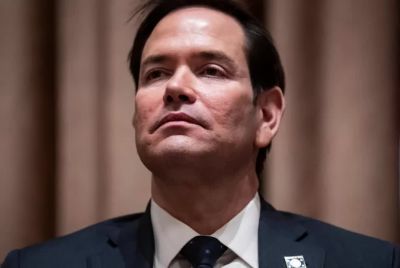
Secretary of State Marco Rubio said back then that the U.S. prefers a diplomatic option to usher in new leadership in the island, but so far the Havana regime and its "corrupt elites" continue refusing reform and "perpetuating their total control."
The U.S. has kept on sanctioning the Cuban regime and its institutions. Havana officials have said that they are a pretext to conduct a military intervention.
In an August interview, Rubio described the administration's strategy as one designed to eliminate what he called every possible "escape valve" available to Havana. "What we're trying to teach them is there are no escape valves," Rubio told the outlet, adding that each time the Cuban government develops new mechanisms to bypass restrictions, the United States moves to shut them down.
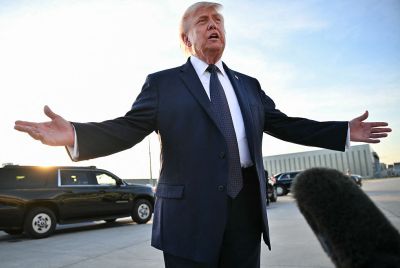
The campaign represents one of the most aggressive U.S. efforts against Cuba in decades. Since last year, the Trump administration has taken roughly two dozen separate actions targeting the island's economy, government officials and international business partners.
Those measures include sanctions against 40 entities, ranging from foreign companies operating in Cuba to state-run fuel, banking and mining conglomerates, as well as penalties against at least 38 individuals through economic sanctions, visa restrictions and residency revocations.
Rubio argued the strategy is producing tangible results as Cuba struggles through one of the worst economic crises in its modern history. The island continues to face severe shortages of food, medicine, fuel and foreign currency, problems the administration attributes to decades of communist economic management compounded by sanctions.
Cuban Prime Minister Manuel Marrero announced earlier this year the broadest expansion of private-sector activity since the 1959 revolution, a move Rubio dismissed as an attempt to buy time rather than implement genuine reforms.
© Copyright IBTimes 2026. All rights reserved.
- Recommended For You