Gulf States Built Their Energy Trade Around The Strait Of Hormuz. Now They’re Spending Billions To Bypass It.
New port terminals, rail links and cross-border pipeline plans are emerging as Gulf economies absorb weaker exports, higher shipping costs and prolonged disruption to trade.


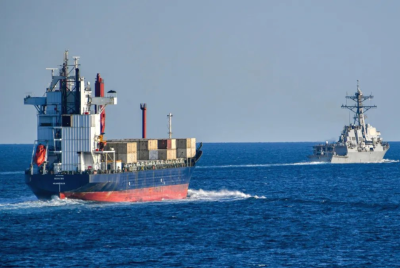
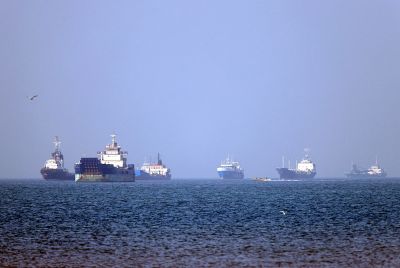
Gulf states are accelerating investment in ports, pipelines and rail links as the Iran war exposes the risks of relying on the Strait of Hormuz, which carried about a fifth of global oil flows before the conflict severely disrupted shipping through the waterway.
Saudi Arabia, the United Arab Emirates and other Gulf economies are now pushing projects designed to move oil and cargo without passing through Hormuz, where traffic has remained far below normal for much of the past six months.Governments are redirecting trade toward Saudi Red Sea ports and the UAE's eastern coast while considering longer-term integrated alternatives.
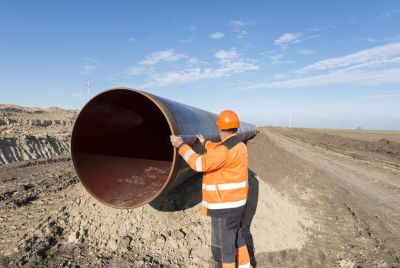
Saudi Arabia is studying an expansion of its East-West crude pipeline, which currently has capacity of about 7 million barrels a day and carries oil to the Red Sea port of Yanbu. Reuters reported in July that the kingdom could add another 1 million to 2 million barrels a day of capacity and has discussed whether neighboring countries could use the network to bypass Hormuz.
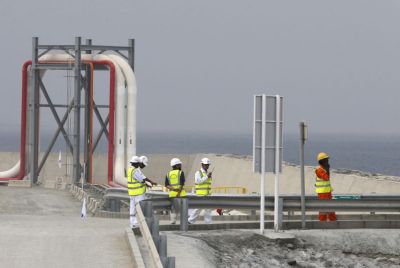
The UAE is pursuing a similar strategy around Fujairah, which sits outside the strait. DP World agreed in July to develop two new terminals there under a 50-year concession, including the Al Rugaylat container and multipurpose terminal and the Dibba general cargo terminal. DP World said Al Rugaylat would be able to handle up to 2.5 million twenty-foot equivalent units annually, while Dibba would add 3.6 million tonnes of general cargo capacity.
Abu Dhabi is also accelerating a new crude pipeline expected to double the UAE's ability to export oil through Fujairah without using Hormuz.The project is scheduled to become operational in 2027.
The investment push follows months of economic damage across the Gulf. A July Reuters poll forecast both Qatar and Kuwait would contract by 8.1% in 2026, while Saudi Arabia was expected to grow 1.4%, helped in part by its ability to export through the Red Sea.
Qatar has been particularly exposed because it s liquefied natural gas exports depend heavily on Hormuz. Qatar's LNG exports had fallen 96% since the war began, with just 18 cargoes shipped compared with 509 during the same period a year earlier.
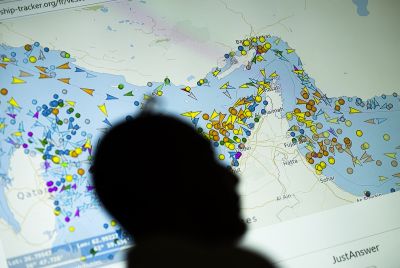
Shipping through Hormuz has shown limited signs of recovery, but volumes remain erratic. Preliminary Kpler data cited by the outlet showed only seven commodity vessels transited the strait on Thursday, compared with a 10-day average of 15.
© Copyright IBTimes 2026. All rights reserved.
- Recommended For You